Tuesday, 4 December 2012

Border Terrier.


The Border Terrier is a small sized sturdy dog with short, wiry double coat. They were first bred in the Cheviot Hills near the border of Scotland and England and are possibly one of the oldest breeds of terriers in Great Britain. They were used by the farmers to drive foxes out of their dens so the farmers could kill them, they were ideal for this work as they were small enough to follow the fox into the den but big enough to keep up with the horses.
They can still be used today as farm dogs to help control vermin but are mostly companion dogs. They are a very alert, bold and agile breed and are great for tracking, agility, competitive obedience and also make good watch dogs, though not aggressive. They are very keen and willing to push themselves through any narrow space to check out what’s on the other side. They are lively and enjoy playing with children; they aim to please their owner and mild mannered and easy to train. From a young age they need to be socialized well, introduced to new surrounds, loud noises and other pets. Never forget that they are hunters so should never be left alone with smaller pets. At a young age, Border Terriers are very active, provided they get plenty of exercise they do mellow out as they age. They require a firm, confident pack leader to avoid separation and small dog syndrome.
There is a recently recognized canine health problem that has been found to be hereditary in Border Terriers. Canine Epileptiod Cramping Syndrome, which sometimes gets confused with canine epilepsy. It is being considered as a metabolic, neurological or muscle disorder so best to research the blood lines of a new pup. As they were originally bred to hunt they have a great stamina and plenty of energy. They require a minimum a long daily walk, some play time with their family will also keep them stimulated. They can live comfortably in smaller living arrangements if this exercise requirement is met. Their durable, wiry coat needs weekly brushing and a professional groom twice a year. They shed very little hair and are ideal for people with allergies.


Our good mate Cyril, an adorable Border Terrier!

Monday, 3 December 2012

Sunday, 2 December 2012

Anastasia and her balloons...


Anastasia, a Jack Russell Terrier just loves balloons!
Owned by Doree Sitterly in the USA, Anastasia's balloon obsession got her into the Guinness World Records.
She got the fastest time for a dog to pop 100 balloons - she managed it in 44.49 seconds. 

Check her out -


Saturday, 1 December 2012

Gemma & Frodo's Update.


What a crazy week we've had!
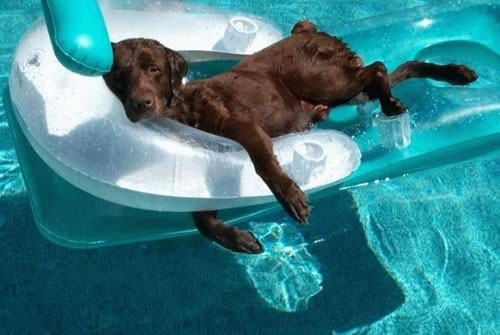
We hope that everyone was able to safely enjoy the warm weather! You'll be happy to know that all our guests at Dogs Country Club & Kennel Resort were enjoying the comforts of pools and play times with the hose throughout the past few days! Our special needs guests were very comfortable with their air conditioners running and we all enjoyed a relaxing day off (for the doggies that is!)
Our Doggy Doater friends here did an excellent job at keeping everyone calm and laid back and we did our best to splash a bit of water back at them too!

Regardless of the weather, though, work can never stop here! We are nearing the final stages of our Arrivals and Departures renovation and we are loving the great feed back! All of our lucky guests that have been able to use it are very impressed so it's great to see all our hard work pay off.

We wish everyone a happy and safe weekend and we'll catch up with you next week ...maybe with a sneak preview of our next project!

Gemma & Frodo.


What do you think of our handy work?


Friday, 30 November 2012

Keeping your pet cool.

Summer has approached us quickly this year and with the current warm weather we are feeling it can be difficult to know how to keep our pooches cool.
Here are some excellent tips to help;

  • If needing to exercise make sure it does very early in the morning or later at night. Also, purchase your dog poochy shoes, available at most good pet supplies. Dogs absorb and release heat through their feet and the hot ground is very sensitive on their pads.
  • If your still wanting to give your doggy exercise but not go for a walk a swim is ideal! There are dog pools around but the beach is perfect. This is a great bonding exercise and also keeps you and your pup cool.
  • Make sure there is plenty of water available, if your dog is staying outside for the day make sure there are multiple bowls placed around the yard in shady spots, remember the sun will move throughout the day and you can never supply too much water.
  • Ideally it would be great to bring your dog inside on some cool tiles, if you have air conditioning or heating as well. If this isn't an option set up a kiddy pool in the shade outside. If you are going to be home throughout the day spray your dog with cool water underneath and on their feet. This is how dogs to cool down to spraying them on their back is less affective.
  • Wet a towel and lay this down for your dog rest on, this again will help to cool them from underneath.
  • Dog's don't understand sometimes why they are inside and not going for their walk, allow them every now and then to step outside and check the weather, and also have a toilet break!
  • If your dog wants to dig in the warm weather and there is spot in the garden that they can do so, then allow them too. This is a natural way for dogs to cool down with the coolness of the dirt underneath them.
  • NEVER EVER for any reason leave your dog in a parked car even when the weather is only slightly warm. Dogs over heat very quickly and the temperature in the car can rise rapidly.

Thursday, 29 November 2012

Heat stroke.


What is Heat stroke?
Heat stroke or heat stress is a case of extreme hyperthermis that results in thermal injuries to the tissues. It is a very serious condition that can lead to multiple oragan damage and even failure, this includes the liver, kidneys, gastrointestinal tract, the blood system and the brain - these all can be fatal.

What causes this?
When the heat generations exceeds the body's natural ability to loose heat, causing the body to over heat.

What can add to the risks of Heat Stroke?
  • A warm, hot or humid environment
  • Lack of water and shade
  • Lack of ventilation
  • Obesity
  • Short nose breed dogs
  • Respiratory issues
  • Cardiovascular disease
  • Elderly or younger dogs.
  • Central Nervous system issues.
What are the signs of Heat Stroke?
Symptoms may vary but can include;
  • Constant panting
  • Weakness, fatigue
  • Vomiting
  • Diarrheoa
  • Muscle tremors
  • Muscle spasms
  • Signs of confusion, delirium
  • Staggering
  • Laying down or collapsing
How to lessen the chance of your dog suffering from Heat Stroke;
Provide your pets with plenty of cool shaded area that has plenty of ventiliation at all times. Adequate air flow is vitaly important to allow dogs to cool down via evaporative cooling (panting)
Plenty of clean, fresh water and extra in case of spillage.
Bring your pets indoors if possible on the hotter, humid days, allowing them access to open windows, air coniditioning, shade or fans if able to.
If your pet is required to stay outside, move their bedding into the shade, some dogs may continue to lay in their bedding even if in direct sunlight.
Don't exercise your pets in hot, humid conditions. Try and walk them as early as possible or later in the afternoon to avoid the hottest part of the day.
DO NOT leave your dog lock in a vehicle, even when the windows are down it is too easy for a dog to overheat and pass away in a short period of time.

How to treat Heat Stroke?
Firstly, a vet should be contacted immidetly. Given the seriousness of this condition it is a lot safer to get your dog examined before it's too late.
Initial treatment should begin at home to try to normalise the body's temprature. Apply or spray cool water on the pets fur or skin and fan the wet fur. Do not use extremley cold watre or ice as this may exacerbate the problem.